 ΤechnoΣημειωτική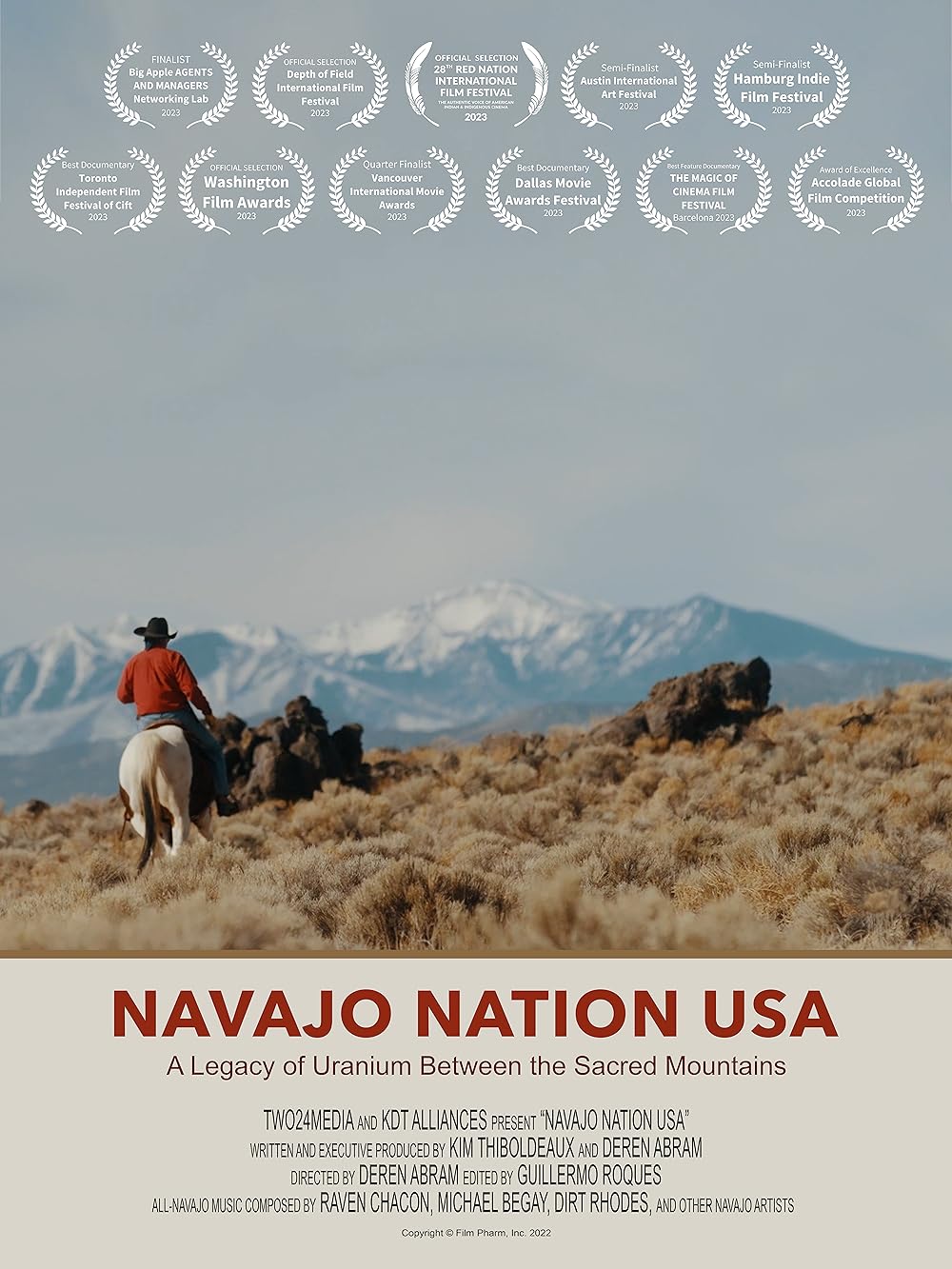

Previous
Metropolis
(1927)
From 1944 to 1986, nearly 30 million tons of uranium ore were extracted from Navajo lands under leases with the Navajo Nation. Many Navajo people worked the mines, often living and raising families in close proximity to the mines and mills. Although the mines are no longer operational, they were never properly closed and capped. Consequently, today, a legacy of uranium contamination remains, including over 500 abandoned uranium mines (AUMs) as well as homes and water sources with elevated levels of radiation.
It is often said that at the core of any documentary is a story that must be told. This is one of those stories. The reaction to disparities in cancer care among American Indians has been jaw-dropping and has garnered attention from corporations, community leaders, media, donors, and The White House.
The intent of the film is to create awareness and action by telling the story of Cancer on the Navajo Nation through the eyes and voices of the people who have been impacted by the cancer-causing uranium on Native lands, and the impact of environmental racism that persists today.
This project was developed in partnership with the Navajo Hopi Health Foundation.
Text source: www.navajonationusa.com